ACM Demolition and Disposal in Metro Denver
Regulated demolition and disposal of asbestos-containing materials, with the state permit work handled before your crew shows up.
Demolition Permit Support
Colorado requires a state demolition permit before the first wall comes down. We prepare and file it.
Ten Working Days, Planned For
The state notification period is not negotiable. We build it into your schedule instead of you finding out late.
Documented Disposal
Waste manifested to a permitted facility, with the records your permit closeout requires.
What Colorado Requires Before Demolition Begins
Every demolition in this state needs an asbestos inspection first. There is no exemption for newer buildings, and the state still has to be notified when the inspection comes back clean.
Most delays on a demo are not abatement delays. They are permit delays, and they are avoidable.
Contractors and Developers
Sequenced so your demo crew is not standing around waiting on a permit
Property Owners
We run the state process end to end. You approve the scope and the schedule.
Permit and Demolition Sequence
- Certified asbestos building inspection
- Scope review and estimate
- Demolition Notification filed with CDPHE
- Ten working day notification period
- Regulated material removed ahead of demolition
- Demolition, disposal and documentation
What This Service Covers
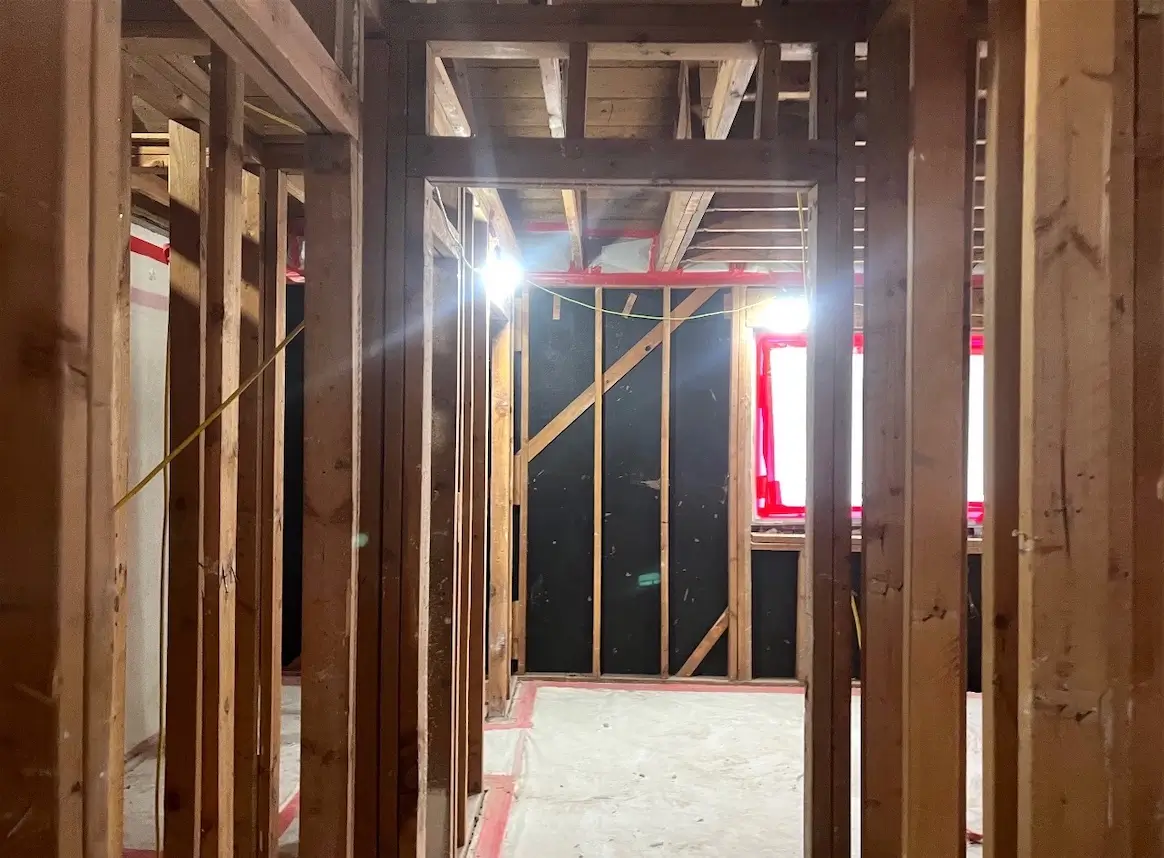
Demolition where asbestos is part of the structure, from a single kitchen gut to a whole building coming down.
Pre-Demolition Inspection
Coordinated with a Colorado-certified building inspector before anything gets scheduled.
State Permit Filing
Demolition Notification Application prepared and submitted on your behalf.
Friable Material Removal
Anything friable, or that becomes friable during demolition, comes out first.
Interior Gut Demolition
Kitchens, bathrooms, basements and full unit strip-outs.
Pre-Demolition Abatement
Regulated material removed and documented before your demolition contractor starts.
Floor Tile and Mastic
Taken up in large sections. No crushing, no pneumatic jacking.
Waste Packaging and Transport
Double-bagged, labeled and hauled to a permitted disposal facility.
Disposal Documentation
Manifests and chain of custody records delivered for your project file.
What We Remove From Colorado Properties
Most asbestos in this state sits in buildings put up before the mid-eighties. If your property is older than that, these are the usual suspects.
Popcorn and Textured Ceilings
The most common residential job in Denver. Removed wet, under containment, never dry-sanded.
Vinyl Floor Tile
Often hiding under newer flooring, along with the black mastic underneath it.
Pipe and Boiler Insulation
Wrapped lagging in basements and crawlspaces. Friable, so it needs full containment.
Drywall and Joint Compound
Taping compound used before the eighties frequently tests positive.
Attic and Wall Insulation
Vermiculite especially. Do not disturb it before it has been tested.
Ceiling Tiles and Adhesives
Common in finished basements and older commercial spaces.
Siding and Roofing
Transite panels and asphalt shingles on pre-1980 exteriors.
Duct Wrap and HVAC Insulation
Paper-backed wrap around older furnace and duct runs.
Questions People Actually Ask
The building is from 2005. Do I still need an inspection?
Yes. Colorado requires an asbestos inspection before demolition regardless of when the structure was built. There is no age cutoff, and the inspection has to be done by a Colorado-certified asbestos building inspector.
How far ahead should I call?
Plan on two to four weeks. The state notification period alone is ten working days, and that clock does not start until the inspection is done and the application is filed. If abatement is needed, that sits between the two.
What if the inspection comes back clean?
You still file. The Demolition Notification Application goes to the state whether or not asbestos was found, along with the fee and the ten working day wait. This is the step that catches most contractors.
Does everything have to come out before demolition?
Anything friable, or that will be made friable by the demolition, has to be removed first. Non-friable material like intact vinyl asbestos tile or tar-impregnated roofing can sometimes stay, as long as the demolition method does not make it friable. If the structure is being burned or imploded, everything comes out regardless of type or quantity.
What are the trigger levels?
For a single-family residence, 50 linear feet on pipes, 32 square feet on other surfaces, or the volume equivalent of a 55-gallon drum. Commercial and multi-unit thresholds are higher. Above the trigger level, removal has to be done by a state-certified abatement contractor.
What happens if we skip it?
Monetary penalties and a stopped project. The exposure is not worth the two weeks you would save, and the delay from a stop-work order is longer than the delay from doing it in order.
Do you work with insurance and restoration companies?
Yes. We prepare scope documentation for projects moving through a claim and coordinate directly with adjusters and restoration contractors.
Where We Work
Most of our work happens across the Denver metro area: Denver, Aurora, Lakewood, Arvada, Westminster, Thornton, Centennial, Englewood, Littleton and Commerce City, across Adams, Arapahoe, Denver, Douglas and Jefferson counties.
We also travel. Westworth takes projects anywhere within approximately 180 miles of Denver, which covers most of Colorado including Colorado Springs, Fort Collins, Greeley, Pueblo, Glenwood Springs and the mountain communities in between.
Outside that radius, call anyway and we will tell you whether we can take it.
Who We Work With
- Homeowners
- Restoration companies
- General contractors
- Property management companies
- Commercial property owners
- Insurance and restoration professionals
Call Before the Permit, Not After
Send us the address, the scope and your target start date. We will tell you what the state requires and what it does to your timeline, before you commit to a date you cannot hold.
- Inspection coordinated and state filing handled
- Regulated material removed ahead of your demo crew
- Disposal manifests delivered for your project file