
Mold Remediation in Metro Denver
Containment-first mold removal for older Colorado properties, including buildings where asbestos turns out to be part of the problem.
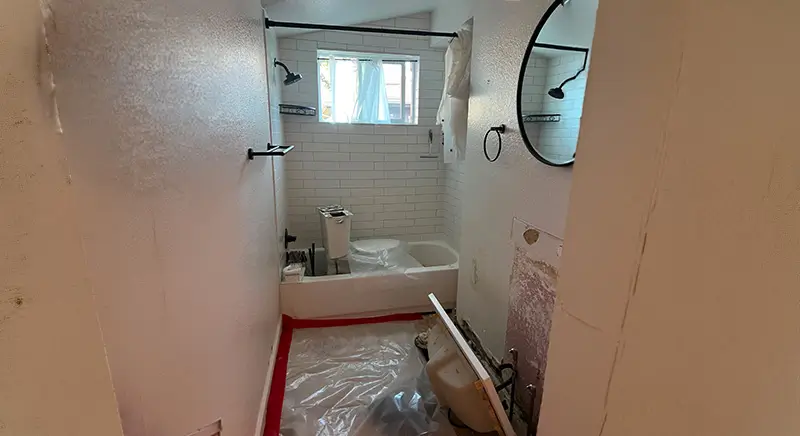
Asbestos-Certified Crew
In pre-1980s buildings, mold often sits on material that also contains asbestos. We are certified for both.
Written Scope and Protocol
You get the containment plan in writing before work starts, not a verbal summary at the door.
Documented for Your File
Completion records prepared for your insurer, your tenant file or your closing.
Mold Is a Moisture Problem First
Remove the mold without finding the water and it comes back in the same wall, usually within a year. The first thing we look for is where the moisture is getting in.
The second thing we look for is what the affected material is made of. In an older building, that answer changes the whole job.
Landlords and Property Managers
Documented response that holds up against Colorado habitability requirements.
Homeowners and Buyers
A written scope you can hand to an inspector, an agent or an adjuster.
How the Work Runs
- Moisture source identified
- Scope and containment plan put in writing
- Suspect materials tested if the building is older
- Containment and HEPA filtration established
- Affected material removed and the area cleaned
- Independent verification before the space is released
What We Handle
Mold work in older Colorado buildings, where the material behind the mold is not always what people expect it to be.
Basement and Crawlspace Mold
The most common call in Denver. Usually a grading or foundation problem, not a mold problem.
Post-Water-Damage Remediation
Burst pipes, ice dams, failed water heaters and sewer backups.
Drywall and Insulation Removal
Affected material cut out under containment, not cleaned in place and left there.
Attic Mold
Almost always a ventilation issue or a bath fan venting into the attic. We tell you which.
HVAC and Duct Contamination
Coordinated with your HVAC contractor when the system moved it around the building.
Asbestos-Adjacent Mold
When the affected material also tests positive, one certified crew handles both.
HEPA Filtration and Negative Air
Maintained throughout, on the same standard we run an abatement job.
Written Documentation
Scope, protocol and completion records for your file or your claim.
Questions People Actually Ask
Is mold remediation licensed in Colorado?
No. Colorado has no state licensing program for mold remediators, which means anyone can offer the service. That is worth knowing when you compare bids. Ask any contractor what they are actually certified in, and ask to see it.
Can you test the mold for us as well?
We do not test and remediate the same job. A company that both diagnoses the problem and sells you the fix has an obvious conflict, and the state health department advises against it. We work with independent testing firms and will refer you to one.
A tenant reported mold. How fast do I have to move?
Faster than most landlords expect. Colorado’s warranty of habitability sets short deadlines for responding to a mold complaint and for putting containment and HEPA filtration in place. Call us the day you get the complaint, not the week after.
Do I have to move out?
Usually not. The affected area is sealed and kept under negative air so the rest of the property stays isolated. If the work area includes something you cannot live without, like the only bathroom, we tell you that before we start.
Why does mold keep coming back in the same spot?
Because the water is still getting in. Remediation removes what grew; it does not fix a downspout draining against the foundation or a bath fan venting into an attic. We tell you what we find, even when the repair is not something we sell.
The house was built in 1962. Does that change anything?
It can. Drywall, joint compound, floor tile and pipe insulation from that era frequently contain asbestos. Cutting into moldy material without checking turns a mold job into a regulated asbestos incident. We check first, and we are certified to handle it either way.
Do you work with insurance?
Yes. We prepare scope documentation for claims and coordinate with adjusters and restoration contractors.
Where We Work
Most of our work happens across the Denver metro area: Denver, Aurora, Lakewood, Arvada, Westminster, Thornton, Centennial, Englewood, Littleton and Commerce City, across Adams, Arapahoe, Denver, Douglas and Jefferson counties.
We also travel. Westworth takes projects anywhere within approximately 180 miles of Denver, which covers most of Colorado including Colorado Springs, Fort Collins, Greeley, Pueblo, Glenwood Springs and the mountain communities in between.
Outside that radius, call anyway and we will tell you whether we can take it.
Who We Work With
- Homeowners
- Restoration companies
- General contractors
- Property management companies
- Commercial property owners
- Insurance and restoration professionals
Find the Water First
Send us photos and tell us how long it has been there. We will tell you what we think is causing it and what the job looks like, before anyone commits to anything.
- Written scope and containment plan before work begins
- Certified for asbestos when the material turns out to be both
- Independent verification, not our own sign-off